
Samsung Galaxy Watch 8
4.4Editor score
Extensive heart tracking
Blood pressure calibration
Running and sleep coaching
Our smartwatch for Afib detection guide compares 10 options for heart monitoring, ECG features, sleep tracking, fitness, and everyday use.
A smartwatch for Afib detection can provide useful heart-rate monitoring, irregular-rhythm alerts, and, on certain models, an ECG app for assessing signs of atrial fibrillation. The strongest choices combine medically positioned heart features with dependable sleep, activity, and recovery tracking, while also fitting comfortably into a daily routine.
We compared all 10 products using the supplied feature details, paying particular attention to explicit Afib-related functions, continuous heart monitoring, ECG capabilities, irregular-rhythm notifications, sleep insights, fitness tracking, battery life, and ecosystem considerations. The list includes several Fitbit, Samsung, and Garmin models plus one broad-purpose health tracker.
Each review explains what makes the model relevant to Afib detection, where its capabilities differ, and which buyer may benefit most. Product specifications and availability can change, and prices fluctuate, so readers should confirm current details and compatibility before making a final purchase.
4.4Editor score
4.5Editor score
4.1Editor score
This side-by-side comparison highlights the heart-monitoring, Afib-specific, sleep, fitness, and everyday features that distinguish each smartwatch. Models with explicit ECG or irregular-rhythm functions receive particular attention, while every listing is reviewed according to the supplied specifications.




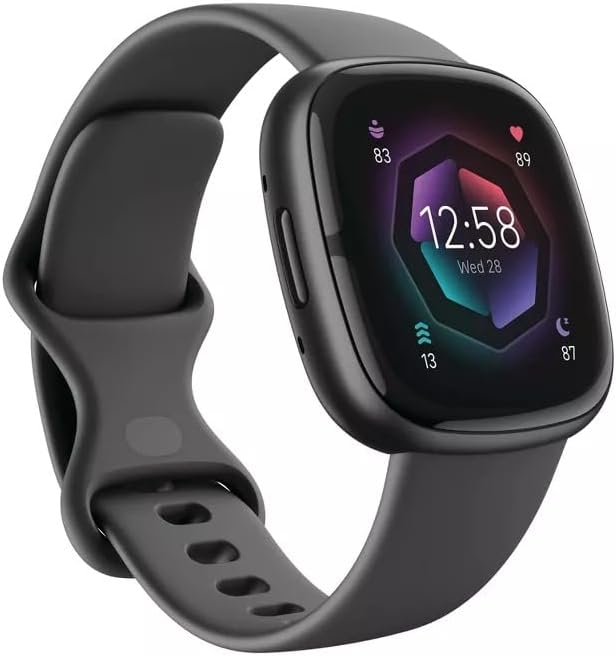
The Fitbit Sense 2 is one of the clearest choices in this roundup for anyone searching specifically for smartwatch-based atrial fibrillation support. Its supplied feature list identifies both an ECG app for Afib assessment and irregular heart rhythm notifications. The watch also provides all-day heart-rate tracking, making it more directly aligned with the stated search intent than products that monitor heart rate without highlighting an Afib-specific function.
We may earn a commission when you buy through this link, at no additional cost to you.
The broader health platform adds useful context. Fitbit combines ECG and rhythm alerts with SpO2 tracking, stress detection, a Stress Management Score, mindfulness content, sleep stages, a Sleep Score, and a smart wake alarm. Built-in GPS supports more location-aware exercise than many entry-level fitness watches, while 40-plus exercise modes, Active Zone Minutes, and workout intensity maps make it practical for active users.
The principal trade-off is that its 4.1 rating trails the 4.4- and 4.5-rated Samsung models. Afib assessment is not a diagnosis or a substitute for clinical care, and feature availability can depend on region, device compatibility, and the presence of the ECG app. Despite those limitations, the combination of an explicit ECG Afib app, irregular-rhythm notifications, and a stated battery life of more than six days is compelling.
This is a strong recommendation for a buyer who prioritizes direct Afib-oriented features, uncomplicated health tracking, and long wear time. It is especially attractive for people who want sleep, stress, activity, and heart insights in one relatively approachable fitness smartwatch rather than a device centered primarily around classic watch styling.
The defining strength is the supplied combination of an ECG app for Afib assessment and irregular heart rhythm notifications. These features distinguish the Sense 2 from general-purpose fitness trackers that offer heart-rate data without an explicitly stated Afib-assessment tool.
Sleep stages, SpO2, stress scores, mindfulness content, and continuous heart-rate tracking can help users interpret their day-to-day wellness alongside heart alerts. These features do not confirm a diagnosis, but they provide useful context to discuss with a healthcare professional.
We may earn a commission when you buy through this link, at no additional cost to you.
The Lunar White Fitbit Sense 2 offers the same core Afib-relevant platform as the other Sense 2 configurations, including an ECG app for atrial fibrillation assessment and irregular heart rhythm notifications. It also supports 24/7 heart-rate monitoring, making it a credible option for buyers who want a wearable capable of combining heart checks with everyday activity tracking.
We may earn a commission when you buy through this link, at no additional cost to you.
Its fitness tools are unusually broad for a health-focused smartwatch. Built-in GPS, a workout intensity map, more than 40 exercise modes, automatic exercise detection, Daily Readiness Score, and Active Zone Minutes create a useful training experience. Sleep stages, a Sleep Score, smart wake, and do-not-disturb mode improve its appeal as an all-day and overnight wearable.
There is little functional differentiation from the other Sense 2 color variants. Its 4.1 rating is lower than the top-rated Samsung options, and the ECG app and related features may depend on where the watch is purchased and used. A smartwatch can indicate a possible irregular rhythm, but it should never be used on its own to diagnose Afib or to make treatment decisions.
Choose this configuration if you like the Lunar White and Platinum styling while wanting the full suite of heart, sleep, and fitness features. It is best suited to a buyer who values practical health monitoring and long battery life equally with fashion or premium hardware.
The watch pairs rhythm notifications and ECG assessment with everyday activity tools, including built-in GPS and heart-rate-based workout intensity. That makes it useful for users who want ongoing heart context during varied everyday activity.
Sleep stages, a sleep score, and a smart wake alarm support overnight use. Combined with the long stated battery life, this helps the device remain practical for continuous wear and regular sleep analysis.
We may earn a commission when you buy through this link, at no additional cost to you.
The Blue Mist Fitbit Sense 2 is another strong configuration for shoppers whose priority is a dedicated health and fitness smartwatch with explicit Afib-related tools. It includes the ECG app for Afib assessment, irregular heart rhythm notifications, SpO2 monitoring, and continuous heart-rate tracking, covering the central functions that motivate this particular product search.
We may earn a commission when you buy through this link, at no additional cost to you.
Fitbit's wellness tools give the watch a broader identity than a dedicated ECG device. The daily Stress Management Score uses cEDA-based stress detection, while sleep tracking includes stages and a Sleep Score. Activity features include built-in GPS, workout intensity maps, Active Zone Minutes, automatic exercise tracking, and 40-plus exercise modes. On-wrist calls, notifications, customizable faces, and a six-plus-day stated battery improve daily convenience.
As with the other Sense 2 variants, the 4.1 rating and lack of model-level functional differences mean that appearance and personal preference should guide the choice among the three colorways. Users should also verify whether the ECG app and required permissions are available in their country and work with their paired smartphone.
The Blue Mist/Pale Gold version is a good option for someone who wants the most clearly Afib-oriented configuration in this roundup while still receiving robust stress, sleep, and fitness support. It is less compelling for buyers primarily seeking a rotating bezel, classic metal styling, or Samsung-specific smartwatch functions.
The stress score, mindfulness content, sleep stages, and sleep score add wellness context beyond heart monitoring. This makes the watch useful for users who want to examine recovery, stress, and sleep habits around the times they notice irregular rhythm alerts.
Bluetooth calls, text and phone notifications, customizable clock faces, Amazon Alexa, Google Wallet, and Maps make the Sense 2 function as a daily wearable. The built-in GPS also reduces dependence on a phone during many outdoor activities.
We may earn a commission when you buy through this link, at no additional cost to you.
The Advanced Health Smartwatch offers a wide range of continuously tracked metrics, including heart rate, blood oxygen, body temperature, blood pressure, sleep quality, and stress level. This breadth may attract buyers seeking an inexpensive general health tracker, although the supplied information does not identify an ECG app or irregular-rhythm detection specifically for atrial fibrillation.
We may earn a commission when you buy through this link, at no additional cost to you.
Its activity and connectivity features are extensive. The watch supports 150-plus sports modes, records exercise data, includes an IP68 waterproof design, handles Bluetooth calls, and mirrors notifications from applications such as Facebook, WhatsApp, and Instagram. A built-in AI voice assistant, 150-plus online dials, customizable photo dials, weather forecasts, music controls, and camera control add further utility.
The 3.9 rating is the lowest among these ten products. More importantly for this keyword, tracking a heart rate or monitoring changes in heart activity is not the same as identifying atrial fibrillation. Because no ECG, irregular-rhythm alert, or other Afib-specific function appears in the supplied feature list, this watch should not be selected as if it offered equivalent functionality to the explicitly Afib-focused Fitbit and Samsung models.
It may suit a buyer seeking a broad collection of inexpensive wellness metrics and many exercise modes, but it is not our primary recommendation for someone specifically seeking Afib detection. Those who prioritize the stated search goal should choose a product whose supplied features explicitly mention ECG-based assessment or irregular-rhythm monitoring.
Heart rate, blood oxygen, body temperature, blood pressure, sleep, and stress monitoring form a useful general wellness dashboard. These readings can support lifestyle tracking, but they should not be represented as equivalent to clinician-performed Afib diagnosis.
Bluetooth calling, app notifications, an AI voice assistant, customizable dials, and broad operating-system compatibility enhance the everyday experience. The large selection of sports modes is especially useful for buyers who want basic exercise records across many activities.
We may earn a commission when you buy through this link, at no additional cost to you.
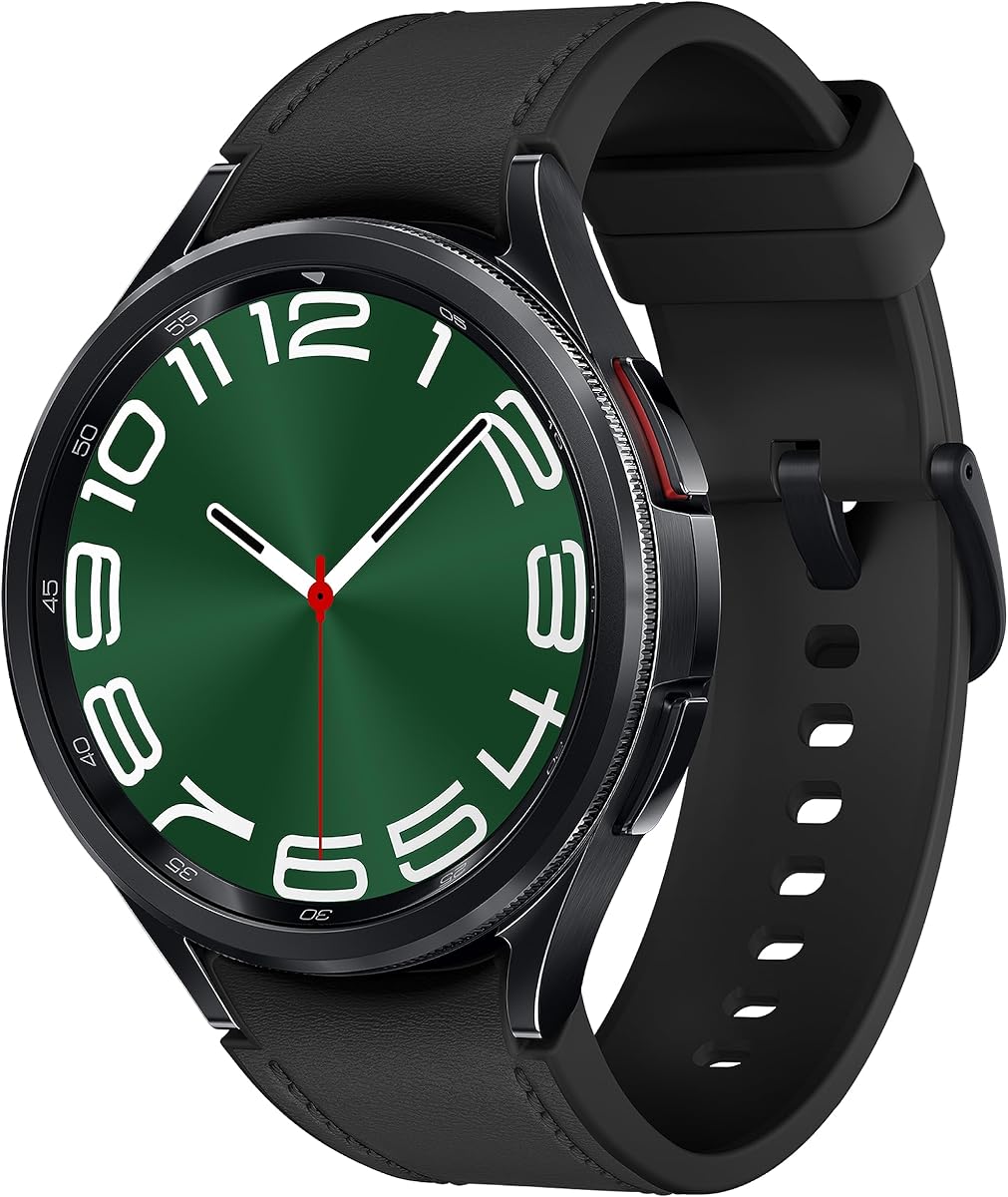
The Samsung Galaxy Watch 6 Classic stands out as the most balanced overall recommendation in this guide. Its supplied features describe an always-on heart monitor that continually scans heart rate for an irregular rhythm that might be A-fib. That explicit language makes it one of the strongest candidates for the keyword, while its 4.5 rating is the highest among the listed products.
We may earn a commission when you buy through this link, at no additional cost to you.
The surrounding health platform is equally impressive. Personalized heart-rate zones analyze the user's data to tailor intensity targets, and Advanced Sleep Coaching adds bedtime planning, snoring detection, and tracking of awake, light, deep, and REM stages. A BIA sensor measures body fat, skeletal muscle, body water, BMI, and related body-composition data, providing useful context beyond heart monitoring.
It also serves as a polished general-purpose smartwatch. The rotating bezel improves navigation, while activity tracking covers running, swimming, and over 90 other exercises with metrics for duration, distance, and calories burned. The large display, durable crystal glass, quick-change bands, Samsung device integration, calls, texts, music control, and camera control make it suitable for all-day use. The listing does not specify an ECG app, so buyers who require that particular function should verify the current regional feature set.
This is our best overall pick for a buyer who wants explicit Afib-related irregular-rhythm monitoring without giving up classic design, sleep coaching, body-composition insights, or extensive fitness features. It is ideal for Samsung users, while its broader smartwatch functions also make it attractive to people comparing connected wearables more generally.
The key strength is an always-on heart monitor that continually checks for an irregular rhythm that might be A-fib. This is an alerting and screening function rather than a diagnosis, so any concerning notification should be evaluated with appropriate medical guidance.
Personalized heart-rate zones, advanced sleep coaching, snoring detection, and detailed sleep stages help users interpret activity intensity and recovery. The BIA sensor adds body-composition trends that can support broader wellness monitoring.
We may earn a commission when you buy through this link, at no additional cost to you.
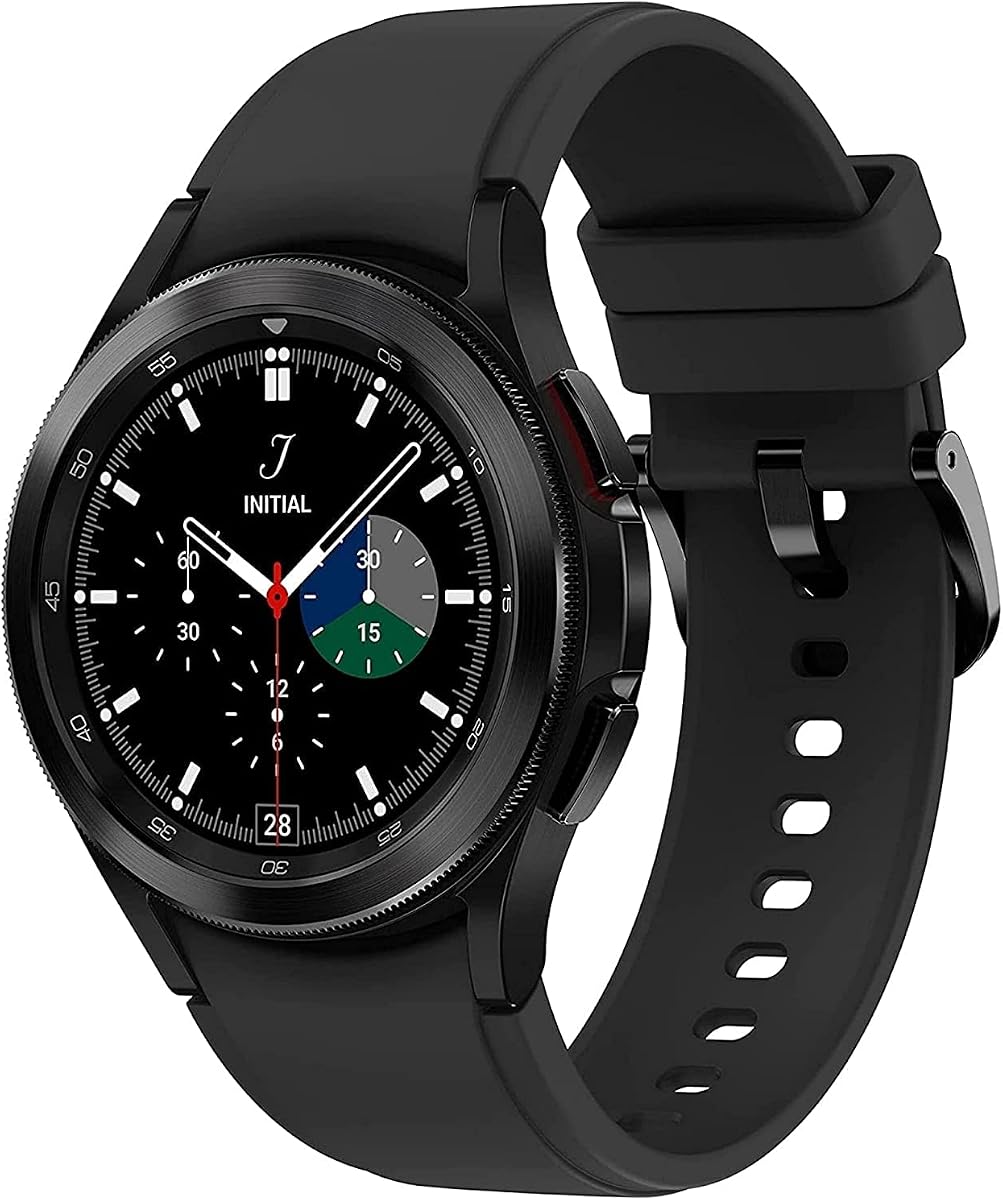
The Samsung Galaxy Watch 4 Classic is notable for explicitly offering ECG monitoring that can keep track of possible atrial fibrillation. Its supplied description also explains that personalized readings can be shared with a doctor through the Samsung Health Monitor app, making the device more directly oriented toward follow-up health conversations than a basic heart-rate tracker.
We may earn a commission when you buy through this link, at no additional cost to you.
Its health and fitness tools are well rounded. Continuous SpO2 monitoring runs alongside sleep tracking, and the body composition sensor reports body fat, skeletal muscle, body water, basal metabolic rate, and BMI. Workout tracking automatically recognizes six popular activities, while VO2 Max readings and running coaching help users understand endurance and running performance.
The main concern is its age relative to the newer Galaxy Watch 6 Classic and Galaxy Watch 8 listings. It recognizes fewer exercise types in the supplied data, and its classic design may not appeal to buyers seeking the newest interface and modern health integrations. Availability of specific regional health features should also be confirmed before purchase.
Even with that caveat, the Watch 4 Classic is a strong recommendation for someone who values an explicitly stated ECG function for possible Afib, continuous SpO2 tracking, and doctor-sharing support. It is particularly suitable for a buyer who values a recognizable classic design and established Samsung Health features over the newest cosmetic or coaching tools.
The ECG function is designed to monitor possible atrial fibrillation, and the supplied feature details mention sharing personalized readings with a doctor. That makes it a practical option for users who want to preserve relevant data for a later clinical discussion.
Continuous SpO2 monitoring and advanced sleep tracking offer useful information about overnight wellness. These metrics should not be treated as diagnostic on their own, particularly when evaluating potential heart or respiratory concerns.
We may earn a commission when you buy through this link, at no additional cost to you.
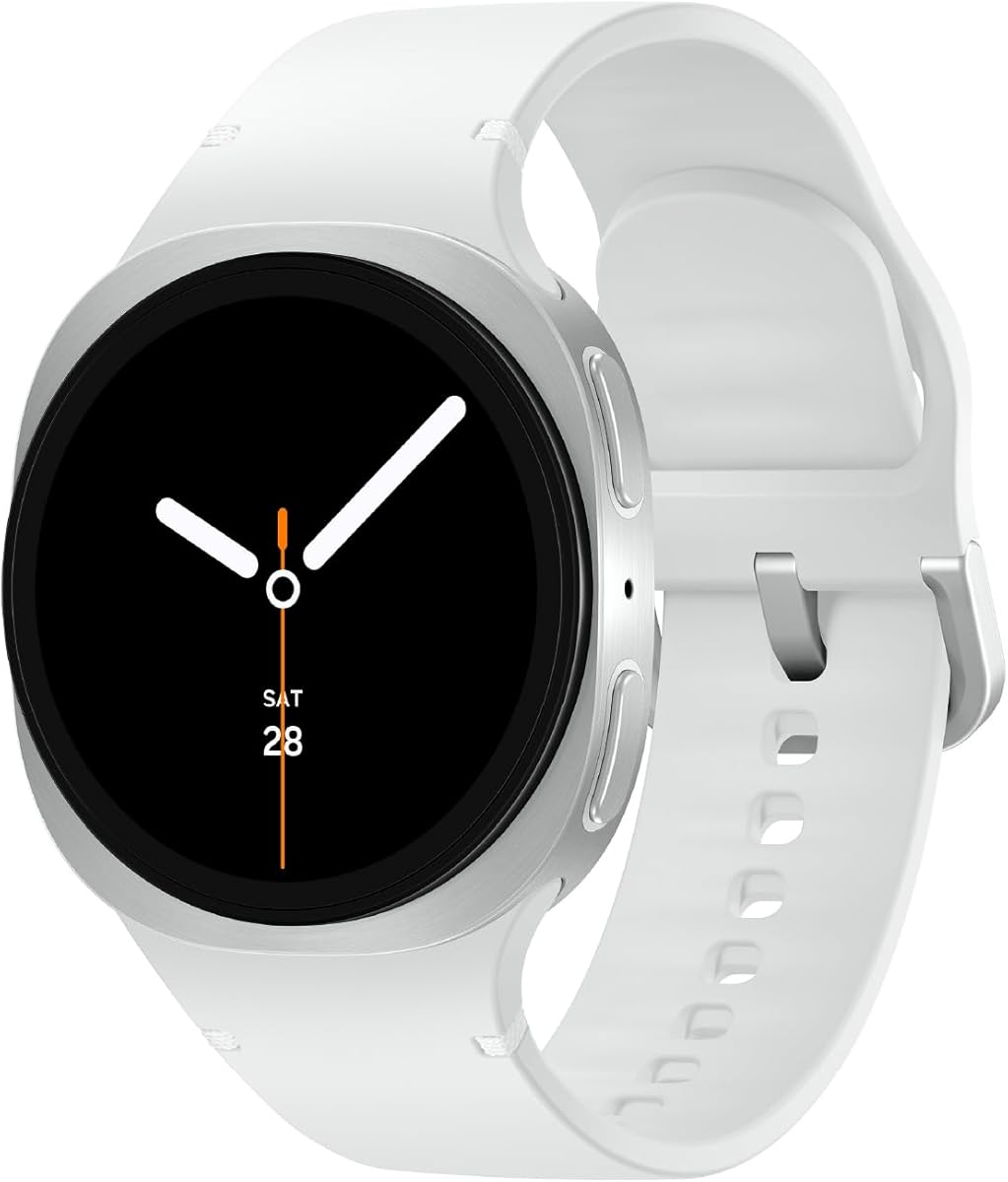
The Samsung Galaxy Watch 8 is the most comprehensive premium health platform in the roundup, although the supplied information does not explicitly mention ECG-based Afib assessment or irregular-rhythm notifications. It does support heart monitoring and tells users to check for changes in heart activity, while adding blood-pressure tracking, advanced sleep coaching, a personal AI assistant, Running Coach, and Energy Score analysis.
We may earn a commission when you buy through this link, at no additional cost to you.
Its blood-pressure function is a meaningful differentiator, though it requires calibration with a blood pressure cuff sold separately. Once calibrated, the watch can measure systolic and diastolic pressure and send readings to the Samsung Health Monitor app. Its Energy Score combines the previous day's sleep, activity, and heart-rate information into a concise daily summary, offering helpful context for users tracking multiple wellness dimensions.
The Watch 8 is lighter, thinner, and more compact than many of the Samsung alternatives listed here, with a 40mm cushion-style design, a quick button, an improved interface, and a Now Bar for glanceable updates. Running Coach provides real-time feedback and programs for events ranging from 5Ks to marathons, while Advanced Sleep Coaching and Bedtime Guidance help users refine their sleep routine.
This is a premium recommendation for buyers who want an advanced, modern health ecosystem and value sleep, running, and blood-pressure tracking alongside heart monitoring. It should not be chosen solely on the assumption that it provides the same explicit Afib detection features as the Sense 2 or Galaxy Watch 4 Classic; verify current health-feature availability before purchasing.
The watch tracks heart activity and can measure blood pressure after calibration with a separately sold cuff. These capabilities provide broader cardiovascular context, but they do not replace medical evaluation or a clinically validated diagnosis.
Energy Score, Advanced Sleep Coaching, Bedtime Guidance, and Running Coach connect sleep, activity, heart rate, and training feedback. This integrated approach can help users make more informed lifestyle decisions between medical appointments.
We may earn a commission when you buy through this link, at no additional cost to you.
The Silver Galaxy Watch 6 Classic combines the same high rating and Afib-relevant irregular-rhythm monitoring as the black configuration. Its heart monitor continually scans for a rhythm that might be A-fib, and personalized heart-rate zones use health data to tailor exercise intensity. That combination makes it a particularly strong option for users who want ongoing heart awareness and structured fitness guidance.
We may earn a commission when you buy through this link, at no additional cost to you.
Its sleep functions are unusually detailed for a smartwatch. Advanced Sleep Coaching helps users develop better habits, while the watch detects snoring and tracks awake, light, deep, and REM stages. The BIA sensor adds readings for body fat, skeletal muscle, body water, BMI, and other body-composition information, allowing sleep, heart, and body trends to be reviewed within one device.
The main disadvantages are that the supplied listing does not mention an ECG app and that the 47mm case may feel substantial for smaller wrists. The same regional availability considerations that apply to smartwatch health features should be checked before buying. Even without an ECG function, the explicitly stated irregular-rhythm monitoring makes this a more direct Afib-related choice than general fitness watches.
This silver model is recommended for buyers who love classic watch styling and want a broad mix of heart, sleep, body-composition, and exercise features. It is an especially good match for Samsung users who prioritize sleep coaching, a rotating bezel, and irregular-rhythm notifications over the Watch 8's blood-pressure and running-coaching ecosystem.
Continual heart-rate scanning for a possible irregular rhythm is the central Afib-related capability. Personalized heart-rate zones then help translate heart data into practical exercise-intensity targets for daily activity.
Snoring detection and sleep-stage tracking offer deeper overnight analysis, while the BIA sensor provides body-composition metrics. Together, these features create a broad recovery dashboard around the heart-monitoring experience.
We may earn a commission when you buy through this link, at no additional cost to you.
The Garmin vívoactive 6 is a compelling general health and fitness smartwatch, but the supplied information does not specify an ECG app, irregular-rhythm notifications, or a dedicated Afib-detection function. It does provide wrist-based heart-rate tracking, HRV status, stress monitoring, a morning report, and other extensive health metrics, making it a useful alternative for buyers focused on recovery and day-to-day wellness.
We may earn a commission when you buy through this link, at no additional cost to you.
Garmin's recovery tools are the model's main appeal. Body Battery energy monitoring considers sleep, naps, stress, and workouts to estimate when the user is charged or needs rest. A sleep score, personalized sleep coaching, HRV status, smart wake alarm, and automatic nap detection create a detailed picture of daily recovery. Fitness age, fitness age, and advanced training features add further context.
The watch includes more than 80 built-in indoor and GPS sports apps, personalized suggested workouts, animated cardio, yoga, strength, HIIT, and Pilates workouts, plus custom workout creation and adaptive Garmin Coach plans. Its bright AMOLED display and stated battery life of up to 11 days in smartwatch mode make it particularly practical for frequent wear and travel.
For someone whose search wording is broad and whose priorities are long battery life, HRV, sleep, and training insights, the vívoactive 6 is a strong choice. For someone who needs explicit Afib detection or ECG assessment, however, the supplied specifications favor a Fitbit Sense 2 or an eligible Samsung model instead. The Garmin should not be represented as diagnosing or confirming Afib without verified feature support.
Body Battery, HRV status, automatic nap detection, and personalized sleep coaching offer a sophisticated view of readiness. These metrics can reveal patterns in recovery habits, although they are estimates and not a substitute for diagnosis.
More than 80 sports apps, built-in GPS, personalized workouts, recovery time, and workout-benefit feedback make this a strong activity tracker. The stated 11-day smartwatch battery supports continuous wear with less frequent charging.
We may earn a commission when you buy through this link, at no additional cost to you.
The Silver Samsung Galaxy Watch 8 is the compact counterpart to the Graphite model, with the same 4.4 rating and a focus on modern health, sleep, and training tools. It tracks heart rate, monitors changes in heart activity, and supports blood-pressure measurement after calibration. As with the other Watch 8 configuration, the supplied listing does not explicitly promise ECG-based Afib assessment.
We may earn a commission when you buy through this link, at no additional cost to you.
Its health features are designed to provide context around cardiovascular wellness. The watch can be calibrated with a separately sold blood pressure cuff to measure systolic and diastolic pressure, while readings appear in Samsung Health Monitor. Energy Score combines the previous day's sleep, activity, and heart rate into a single summary, helping users see how different behaviors influence overall readiness.
The Watch 8 also advances activity and convenience. Running Coach analyzes performance and offers real-time feedback, with programs for 5Ks and marathons. Advanced Sleep Coaching, Bedtime Guidance, a personal AI assistant, a Now Bar, and an improved interface make information easy to access. Its slim 40mm body is likely to appeal to users who prefer a less bulky smartwatch.
This configuration is a good premium choice for buyers seeking a compact Samsung wearable with heart monitoring, blood-pressure support, and rich coaching. It is less directly aligned with the keyword than the explicitly Afib-focused Sense 2, Watch 6 Classic, and Watch 4 Classic, so buyers should verify whether they need a dedicated ECG or irregular-rhythm alert function.
The thinner 40mm silhouette is designed for close, comfortable wear while still housing advanced health and activity features. Its understated styling can work equally well with exercise, sleep, and everyday professional clothing.
Energy Score synthesizes prior-day sleep, activity, and heart rate into one overview. This can make it easier to decide whether to maintain, increase, or reduce training intensity based on recent wellness patterns.
We may earn a commission when you buy through this link, at no additional cost to you.
The most important distinction is whether a watch offers explicit ECG-based assessment or irregular-rhythm monitoring rather than merely recording heart rate. Beyond that, comfort, battery life, sleep insights, fitness tools, notifications, compatibility, and data-sharing features determine whether the device will be worn consistently.
Begin by checking the exact health language in the product listing. The strongest candidates in this guide explicitly mention an ECG app for Afib assessment, ECG monitoring for possible atrial fibrillation, or a heart monitor that scans for an irregular rhythm that might be A-fib. A continuous heart-rate sensor on its own is not equivalent to Afib detection because it measures rate and rhythm patterns without necessarily providing the electrical-heart-signals assessment associated with ECG features.
Verify that the desired function is supported in your country, works with your smartphone, and is usable with the account and services you have. Look for clear wording about assessment, monitoring, or notifications, and distinguish those claims from general wellness metrics such as blood oxygen, stress, or blood pressure.
Consumer smartwatches are screening and monitoring tools, not replacements for a physician or diagnostic ECG. Some models may require the user to remain still during a reading, open the relevant app, or confirm a detected irregular rhythm. Notifications can also be delayed or limited by phone compatibility, permissions, software updates, and regional availability.
Understand how the manufacturer presents the function before buying. If your concern is an existing diagnosis, recurring symptoms, or a family history, discuss appropriate screening and monitoring with a healthcare professional. A watch can help record information for that conversation, but it should not determine treatment or reassure you that a concern is harmless.
Heart rate is most useful when viewed alongside sleep, activity, stress, recovery, and body-composition trends. The Fitbit Sense 2 adds stress scores and sleep stages, the Galaxy Watch 6 Classic pairs irregular-rhythm monitoring with sleep coaching and BIA measurements, and the Galaxy Watch 8 offers Energy Score plus blood-pressure tracking.
Consider which context will help you make useful lifestyle changes. A watch that is comfortable enough to sleep in and has long battery life may produce more consistent data than one with a sophisticated feature set that you rarely wear. Context does not confirm a diagnosis, but it can make patterns easier to recognize and discuss.
Wrist size, case thickness, weight, band flexibility, and display size all influence whether a watch remains comfortable overnight and during exercise. The Galaxy Watch 6 Classic is a large 47mm model, while the Galaxy Watch 8 and Garmin vívoactive 6 use more compact 40mm and 42mm formats. The exact experience depends on your wrist and preferences.
Read comments or product images for fit feedback when possible, and consider whether the watch can be worn while sleeping. Secure fit also matters for heart-rate sensing and exercise comfort. A device that is too loose may be less comfortable, while one that is too tight can become irritating during long wear.
Battery life affects how consistently you can collect heart, sleep, and activity information. The Fitbit Sense 2 is listed with a six-plus-day battery, the Garmin vívoactive 6 with up to 11 days in smartwatch mode, and the Samsung models promise long-lasting operation alongside more advanced features. Actual results vary with settings and use.
If a device requires frequent charging, it may be less likely to remain on the wrist overnight or during every workout. Consider charging convenience as well as stated duration. A model that fits comfortably into your existing routine is more useful than one with ambitious specifications but an inconvenient battery pattern.
Sleep data can reveal changes in resting heart rate, recovery patterns, and overnight routines. The Fitbit Sense 2 tracks sleep stages and assigns a Sleep Score, Galaxy Watch 6 Classic offers Advanced Sleep Coaching, snoring detection, and detailed stages, and the Galaxy Watch 8 adds Bedtime Guidance. Garmin focuses on Body Battery, HRV status, sleep coaching, and nap detection.
Look for features that match your habits rather than simply the longest list. More data can be helpful, but simpler tools that you understand and consistently review may be more actionable. Remember that consumer sleep and recovery measurements are intended as estimates and should not independently establish a medical condition.
A useful smartwatch should complement your lifestyle. The Sense 2 includes built-in GPS, 40-plus exercise modes, Active Zone Minutes, and intensity maps. Galaxy Watch 6 Classic recognizes over 90 exercises, and the Garmin vívoactive 6 offers more than 80 sports apps plus adaptive coaching. Connected features range from calls and messages to maps, music, and AI assistants.
Think about which features you will actually use. Extra sports modes, customizable faces, and notification mirroring add variety, but battery consumption, app dependence, and interface complexity can also matter. Ensure the watch works with the phone ecosystem that you own and prefer.
For a condition-related tool, access to a clear history and the ability to share relevant readings can be as important as the sensor itself. The Galaxy Watch 4 Classic specifically mentions sharing personalized ECG readings with a doctor through Samsung Health Monitor. Other models provide dashboards, morning reports, Energy Scores, and health summaries in their applications.
Check how long data remains available, whether summaries are easy to understand, and whether your healthcare provider can use exported information. A simple history that makes changes visible can be especially helpful during routine checkups. Never delay professional care while waiting for a consumer device to provide an answer.
Begin by fully charging the watch, installing the required companion app, and completing the manufacturer’s setup process. Confirm that the date, time, permissions, and health features are enabled. If you intend to use ECG or irregular-rhythm tools, check regional availability and read the instructions for taking a valid reading, including whether you must remain still and keep the watch properly positioned.
Wear the device consistently according to its guidance, especially if you want meaningful sleep, resting-heart, activity, and recovery trends. Establish a routine for reviewing alerts and heart readings rather than checking constantly. If a notification suggests an irregular rhythm or you feel unwell, remain calm, repeat the reading as directed, and seek medical advice when appropriate; a consumer watch cannot determine whether a condition is present.
Clean the watch and band after workouts or whenever moisture accumulates, using the care instructions supplied by the manufacturer. Keep the sensors dry when charging, avoid exposing the watch to extreme heat or chemicals, and replace the band if it becomes worn or difficult to secure. Periodic software updates, accurate settings, and a snug but comfortable fit help preserve data quality and extend useful service life.
A smartwatch should not be considered a definitive diagnostic tool. Some devices can record ECG data or notify users of a possible irregular rhythm, but a healthcare professional still needs to evaluate the readings and clinical context. Persistent symptoms or concerning alerts deserve prompt medical attention, even if the watch later shows a normal result.
A heart-rate sensor generally uses optical signals to estimate how fast the heart is beating. An ECG records electrical activity through electrodes, creating a waveform that can help assess rhythm abnormalities such as possible Afib. The best smartwatch for Afib detection should explicitly support ECG assessment or irregular-rhythm monitoring, not just continuous heart-rate tracking.
The Fitbit Sense 2 explicitly includes an ECG app for Afib assessment and irregular heart rhythm notifications. The Galaxy Watch 4 Classic also lists ECG monitoring for possible Afib, while the Galaxy Watch 6 Classic describes an always-on heart monitor that scans for an irregular rhythm that might be A-fib. Availability can vary by region, so buyers should confirm current support.
Overnight wear can improve the continuity of heart-rate, sleep, and recovery data, but it does not guarantee that a wearable will detect every episode. Some ECG readings are intentionally taken only when a user initiates them. Follow the manufacturer's instructions, review trends consistently, and consult a healthcare professional about any recurring symptoms.
No. Blood oxygen, blood pressure, sleep, and stress metrics may provide useful context, but they do not themselves diagnose atrial fibrillation. The Galaxy Watch 8's calibrated blood-pressure function and the Sense 2's SpO2 tracking broaden the wellness data, while explicit ECG or irregular-rhythm features address the stated detection goal more directly.
The supplied specifications for the Garmin vívoactive 6 emphasize wrist-based heart rate, HRV status, stress tracking, sleep coaching, and general health monitoring. They do not explicitly list an ECG app or irregular-rhythm notification for Afib. It is a strong recovery and fitness smartwatch, but buyers should verify the exact heart features they require before choosing it for this purpose.
That depends on the model and its companion software. The Galaxy Watch 4 Classic specifically mentions sharing personalized ECG readings with a doctor through Samsung Health Monitor, while other watches provide health summaries and histories. Patients should still follow their clinician's preferred process and bring relevant records, medication lists, and symptom information to appointments.
No. A smartwatch can help track patterns, provide screening alerts, and organize information, but it cannot replace diagnostic equipment, professional examination, or individualized treatment. Anyone experiencing concerning symptoms should seek urgent or emergency medical help rather than relying on a watch notification to determine what is happening.
The Samsung Galaxy Watch 6 Classic is the best overall pick because it combines explicit irregular-rhythm monitoring with a 4.5 rating, advanced sleep coaching, personalized heart-rate zones, body-composition insights, and classic styling. The Galaxy Watch 8 is the premium option for buyers seeking modern coaching, energy summaries, and calibrated blood-pressure tracking, while the Fitbit Sense 2 is the best budget-oriented choice with an explicit ECG app for Afib assessment.
The most important buying priority is the wording of the heart feature. A continuous heart-rate sensor, stress score, SpO2 reading, or general health tracker is not automatically an Afib detector. Look for explicit ECG assessment, possible-atrial-fibrillation monitoring, or irregular-rhythm notifications, then verify regional support and compatibility with your phone.
Features, software behavior, availability, and prices can change, so readers should review the current listing and manufacturer information before purchasing. Most importantly, use any smartwatch as a monitoring and discussion tool rather than a substitute for professional diagnosis, especially when symptoms are present or alerts recur.